Restricted access to the benefit system for the sick and disabled is a re-enactment of the Acts of Enclosure, writes Sean Prentice.
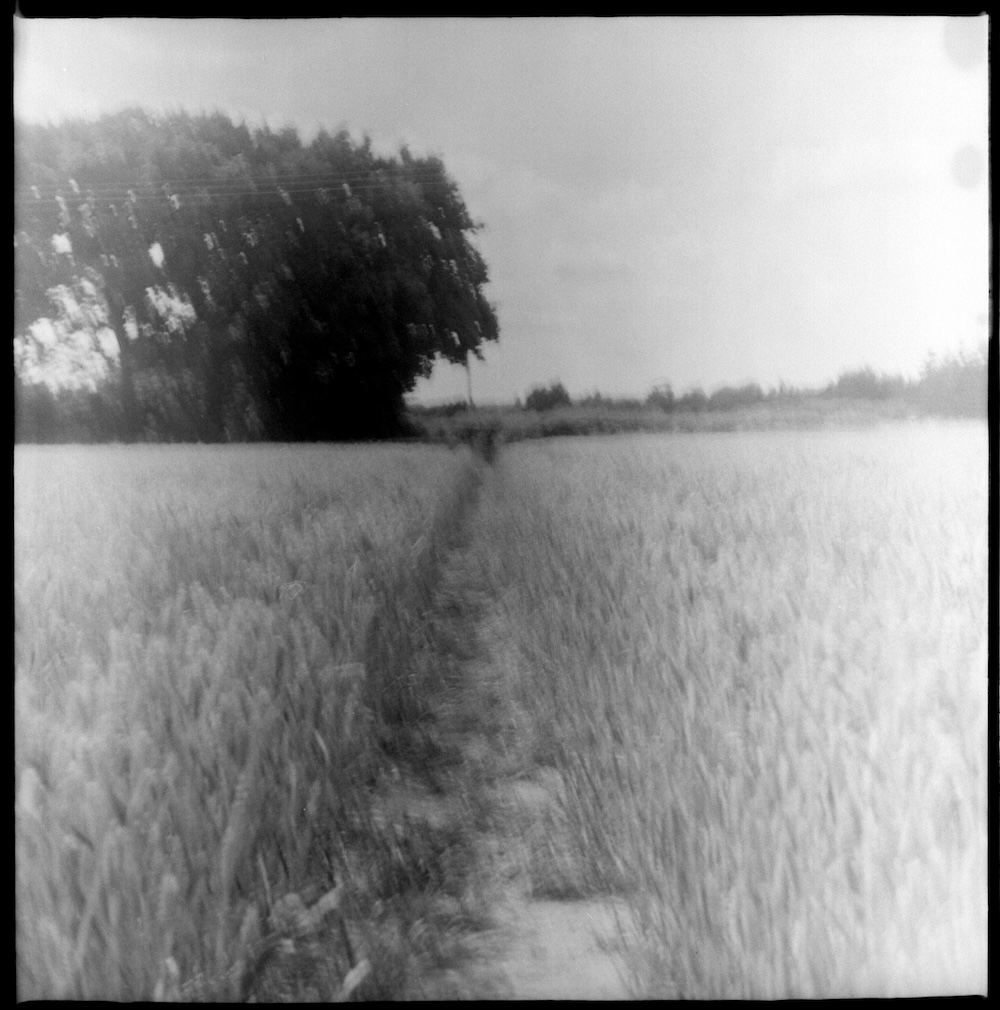
I am writing a week after Members of Parliament — individuals of influence, wealth and property — voted on the welfare Green Paper “pathways to work” which understood deferring devastating changes to Personal Independence Payment (PIP) as a form of concession, yet vote in favour of legislation which will see young disabled people aged 16 to 22 effectively absented from the system of Universal Credit (UC) payments and snares, and pushed under a passing bus. This comes after fourteen years of nonsensical, degrading, and very often punitive reforms to the benefit system as it pertains to the sick and disabled — which would take an awful amount of words to unwrap for the casual bystander at this late hour. Suffice to say, surveying the reformed landscape of the deserving and underserving infirm, as a disabled person I find startling parallels with the Acts of Enclosure which took away the common land by legal theft, and forever redefined our relationship to the landscape and one another. It can be observed that access to land and access to that which sustains and supports us are inexplicably and sometimes excruciatingly linked, not least because the present benighted welfare system, which systematically seeks to redefine what it does and doesn’t mean to be disabled and obscure the language around disability, carries within it the residue and trace of the extinct open field system and stolen commons:
MEADOW DOLE — in the context of open fields, the open field system, or large enclosures; when a field belongs to a number of proprietors the division is called “meadow dole” and each portion is designated by the specific name of the owner — from the Anglo-Saxon daelan, to divide or apportion or dole a meadow.
DOLE BREAD — bread, arising from a benefaction, distributed at stated periods in alms to the poor.
DOLE — from Middle English dol, from Old English dāl (“portion, share, division, allotment”), from Proto-German meaning “part, deal”. Or Middle English doell, grief or sorrow.
When I first signed on, began to “draw the dole”, at the DHSS office in my Northamptonshire hometown 1981 — now itself gone and almost lost to memory — I did not realise I was somehow channelling our original loss of land and collective grief and sorrow. In 2025 there are so many words for cutting benefit payments to the needy and vulnerable, as once there were so many for words for the cutting of a field, the dividing and cutting of dole. There was chizzelly, applied to that species of land which breaks when it is turned up by the plough into bits, in size like the chips that are usually made by the chisel of the stonecutter. There was slade which denotes an order of violence less bloody than it sounds, describing a strip of grass, a breadth of greensward in ploughed landscape, a grassy field edge, sometimes a green road, and other significations which have fallen into disuse since the enclosure of open fields. It is now most commonly applied to a broad strip of greensward between two woods. I walk them — these edges, these narrow corridors — find their eccentricities, their turn-offs and dead-ends, their shimmy and stoop entry points — a smeuse, squiggle, a smout in Somerset, glat in my adopted county of Herefordshire. For a long time the Northamptonshire word for a gap in a hedge is evasive, is nowhere to be found — yet we have burr, the overhang of a hedgerow which affords shade or shelter from the rain. Then finally shard. I think of how active language would become if words were slightly mishandled, each according to their own. I think maybe if all words were handled roughly, shaken and rolled about on the palm, regathered, before they are once again scattered then a new and better world might be imagined, each according to their own needs.
The economics of language is overwhelming, everything is forever being taken away, in a sum of forgetting, and what memories remain doesn’t amount to much. I try to piece it all together, the forgotten alongside the not-quite-remembered. I think about the stories we tell about ourselves and one another — how those stories can result in either thriving or barely surviving below the poverty line. I think about how the commons and our lost commonwealth of conviviality might be reclaimed and embedded in our daily interactions, so that we are no longer searching for smeuse — the gap in any system that we might pass through without being accused of trespass.