Ben McElroy introduces his audio project documenting historic Nottingham allotments.
Allotment Tapes are a year-long Bandcamp series (Jan-Dec 26) documenting the historic St Ann’s allotments in Nottingham with conversations, chats and music.
I am not a native of Nottingham: I moved here 20 years ago from The Wirral to do a music course and have pretty much lived here ever since — setting down roots and bringing up my family here.
Prior to this project I had visited the allotments a number of times for various community projects but didn’t know them well. I had wanted to do something connected to land and land use. I also decided, partly influenced by Gareth E Rees’ Unofficial Britain, to keep it local. We live an hour or so away from the majesty of The Peak District filled with ancient stone circles and wild0seeming places (though all ‘owned’ and often with a history of land disputes). But the more I thought about it the more I felt that though I loved that landscape and visit often, really I was still just a tourist and it took a certain amount of privilege to visit these places (a car, the time to do it etc).
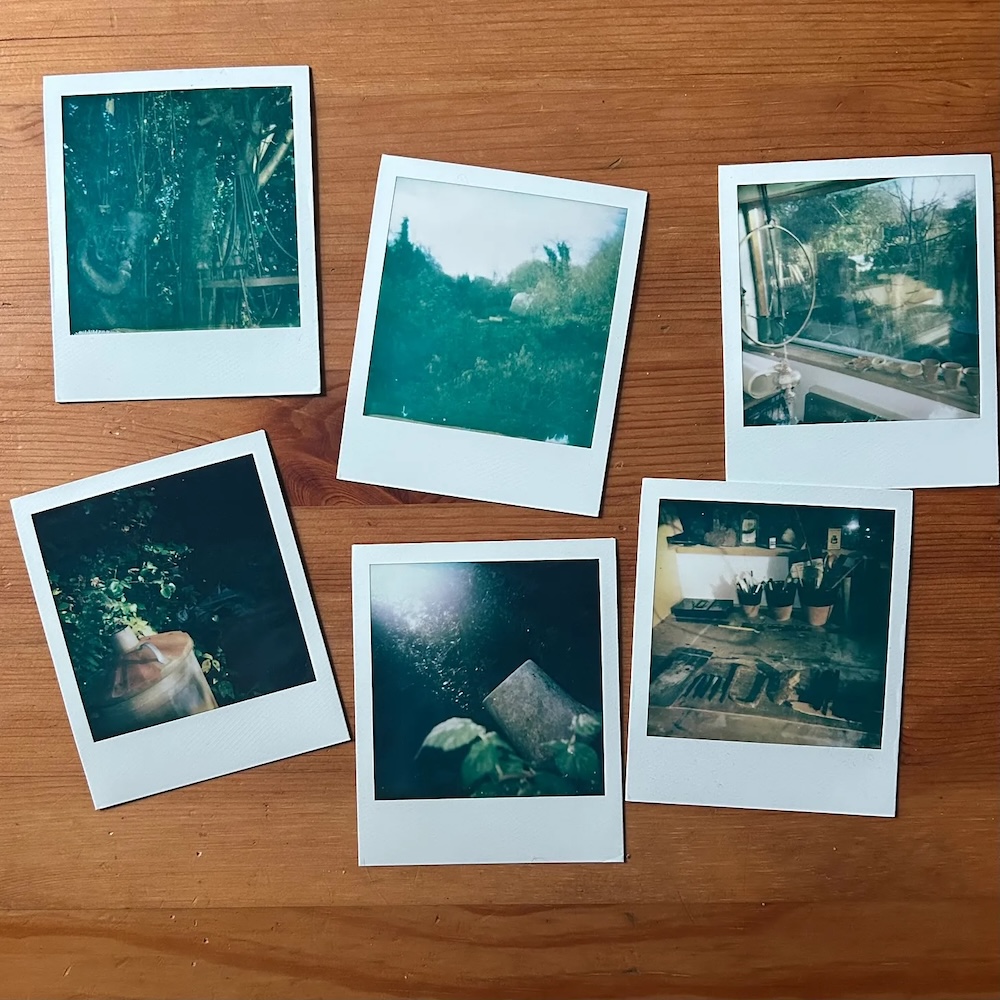
St Ann’s is very much an inner city area, and the allotments sit right in the middle — right on the doorstep of the city. Looking on a map you realise just how huge they are! One tenant called them (and which I borrowed for February’s release) the lungs of the city. A number of roads/paths lead through the allotments (numbered avenues, though some more evocatively also named Rats Alley or Gentlemen’s Avenue). Not like the little square patches of most allotments, plots are varying sizes, often pretty big, some sloping and offering views of the surrounding area. Large blocks of flats and other signs of the city lie just beyond the green of the site. High hedgerows make the whole place kind of warren-like and side-alleys look like secret, magical pathways. Gates are often personalised with individual names of plots (though some have sunken into the hedges). A number of plots are derelict — some show signs of once being well tended, but it doesn’t take much for nature to swoop in and take over again.
Allotments, to my mind, stand for all the good stuff: encouraging nature, being self-sustaining, community, a kind of gentle anti-capitalist anarchy… all of these things are very dear to me. Folks reclaiming, recycling, repurposing… they make my head happy, make me feel connected and hopeful.
But though I’m very for permaculture, self sustainability etc, the thing that fills me with a real deep sense of calm and connectedness is the reclaiming that nature does. It’s all around St Anns — old summer houses being (barely) held up by ivy, rusted corrugated iron roofs, wooden benches sinking back into the murky soil stew. Even the worst things us humans have managed to invent mellow somewhat once covered by a film of moss and maybe repurposed — an old plastic watering can becomes a home for spiders and their webs and tiny slugs.
Originally I had ideas of writing stories about the place, but as I started speaking to people I realised how little I knew. The allotments had been central to people’s lives for so long, they knew so much, loved them so much. It only felt right that I just let them speak and tell the story. I realised that, though the history is fascinating, what I was looking for wasn’t a coherent story. In fact, I seem to approach editing conversations in the same way I do the improvised music that accompanies. Chopping here and there intuitively, what feels right, what feels emotive. So the tapes miss a lot of the facts and info, but I hope they convey something of the feel of the place and the people who love it. People talk about their plots that they’ve laboured over for years; the stories of where their sheds came from, plagues of frogs and a kind of plot-philosophy which comes of slowly watching the seasons going by, beholden to the whims of nature and the weather. Slow, meandering chats, muddy-booted and a real tonic to the increasingly high speed, dopamine-chasing ‘content’ of the modern world.
With the music, I borrowed the ethos of the plot — reclaim, recycle, repurpose… a lot of it stems from improvised rehearsals for gigs last year, some dates further back — whatever I come across on my hard drive. There is newly written stuff too, though sometimes one track becomes many (the strings over there, guitar over here). I haven’t had time (and made peace with the fact) to polish them all… they are snapshots of the time and functional, if a little raggedy here and there.
*
You can listen to March’s Allotment Tape, which visits Rachel Brooke at a Community Orchard run by STAA, below. All the previous tapes can be found here. April’s tape, which meets with community historian (and gardener) Mo Cooper, will be released here on Friday 24th April.
Visit Ben’s website here / follow him on Substack & Instagram.