Since we’re now (somehow) past the year’s half-way point, we thought we’d recap our first 6 Books of the Month of 2026. Need to buy a fellow nature-lover a birthday gift? Wondering what to read on the beach in the next couple of weeks? Look no further!
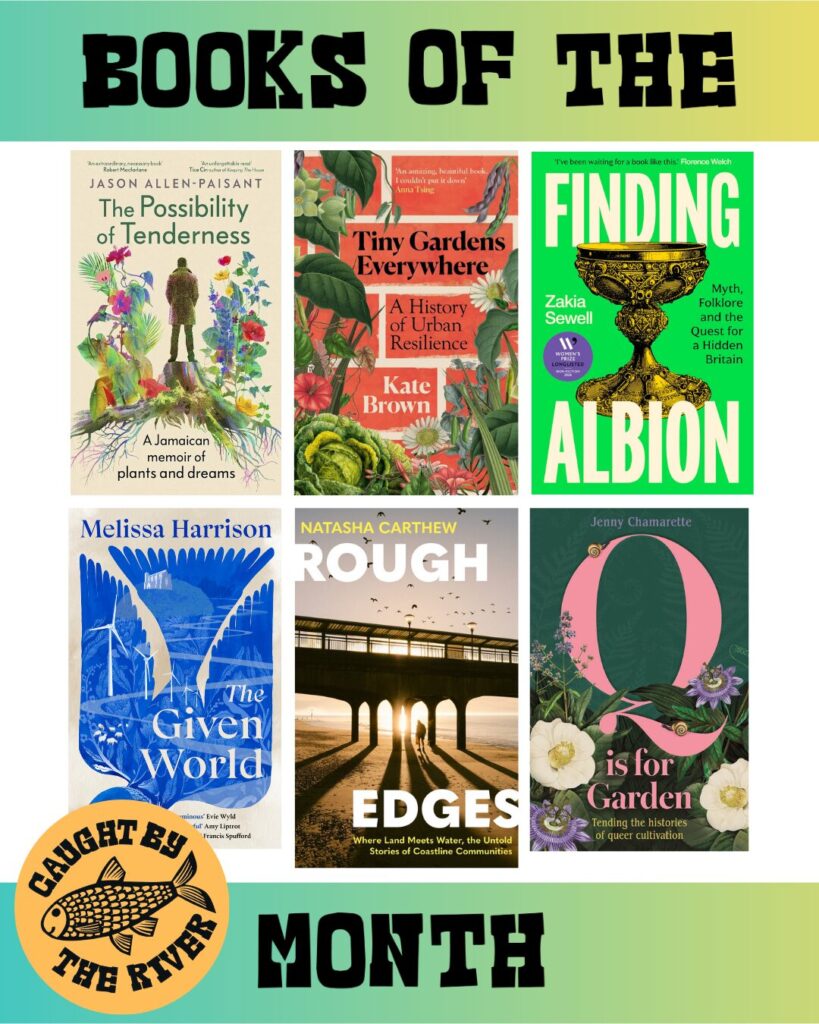
Every month, we run an extract from our Book of the Month, a review, and an interview with its author (a preview of which is available to all; the full text of which is exclusive to paid Steady subscribers).
If you aren’t in a position to take out a paid membership, buying books via our Bookshop.org affiliate page is a fantastic way to support us – we get 10% of the cover price of each sale.
Happy reading!
January/February
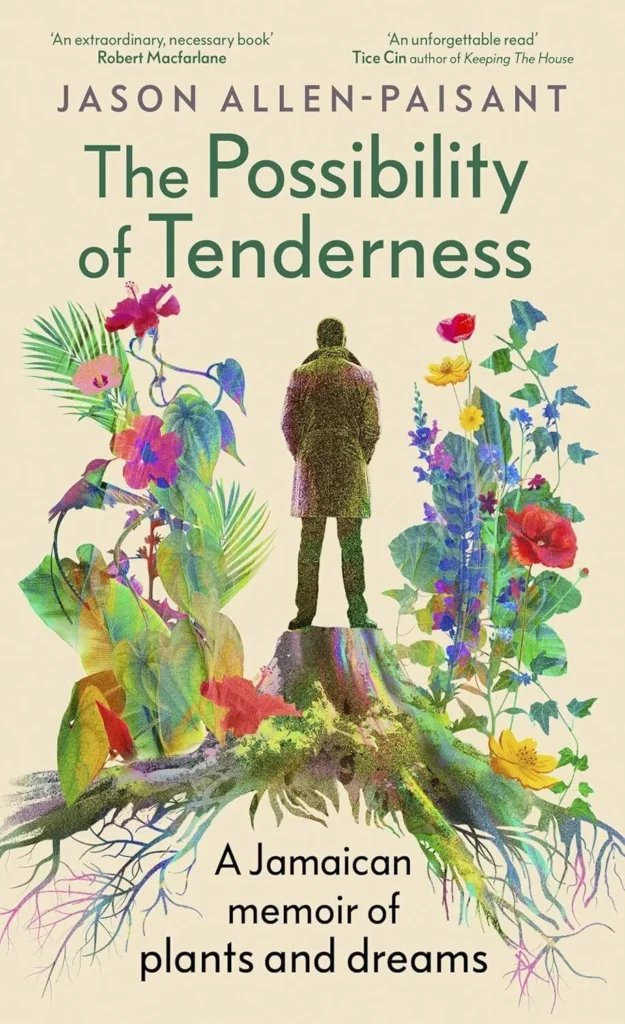
The Possibility of Tenderness: A Jamaican Memoir of Plants and Dreams by Jason Allen-Paisant (Cornerstone)
Due to a rocky start to the year away from the riverbank, our first Book of the Month only got a Q&A — but it’s no less deserving of your attention!
‘I love finding art in the way the organic world leaves traces on our bodies, in our bodies. A view of the ochre soil amidst the craggy, oceanic rock evokes for me a sense of deep time.’ In his February interview with Contributing Editor Tallulah Brennan, Jason Allen-Paisant discussed the poetic impulses of the Caribbean, vernacular intimacy with plants, and soil as an emblem of life & death. Read here.
Buy a copy here on Bookshop.org.
March
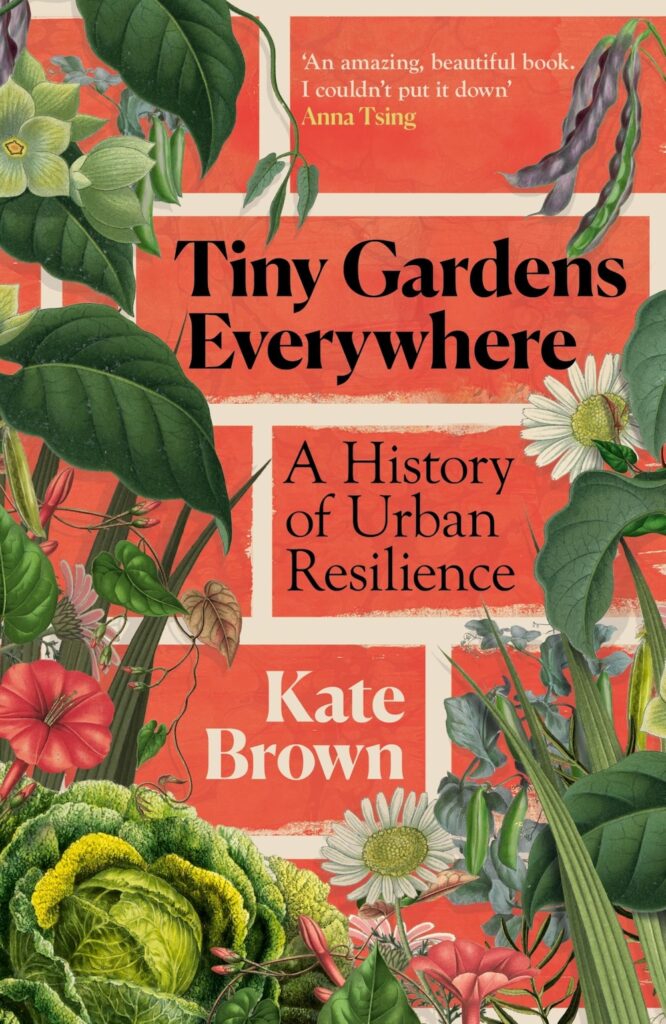
Tiny Gardens Everywhere: A History of Urban Resilience by Kate Brown (The Bodley Head)
‘Working-class gardeners built with their hands the idea that cities could be more than stone and brick, more than markets and factories. They demonstrated that by turning their part of the city into a garden, they could get by, even flourish, without exploiting others somewhere else.’ Read an extract here.
‘The point, then, is to take what is now a mission of the minority — the hands reaching for prohibited soil, the guerrilla gardeners in a city built according to rules and the cordoning off of public space — and turn it into a mission in which the majority have a stake. In other words, to get the majority’s hands dirty, to make gardeners out of each and every one of us.’ Read Tallulah Brennan’s review here.
‘Rather than having these big arteries, six lanes wide for cars, we could have boulevards for fruit and nut trees.’ In March’s Q&A, Kate Brown and Tallulah discuss plants as human allies, gardens as public health measures, and the importance of touching dirt. Read here.
Buy a copy of the book here.
April
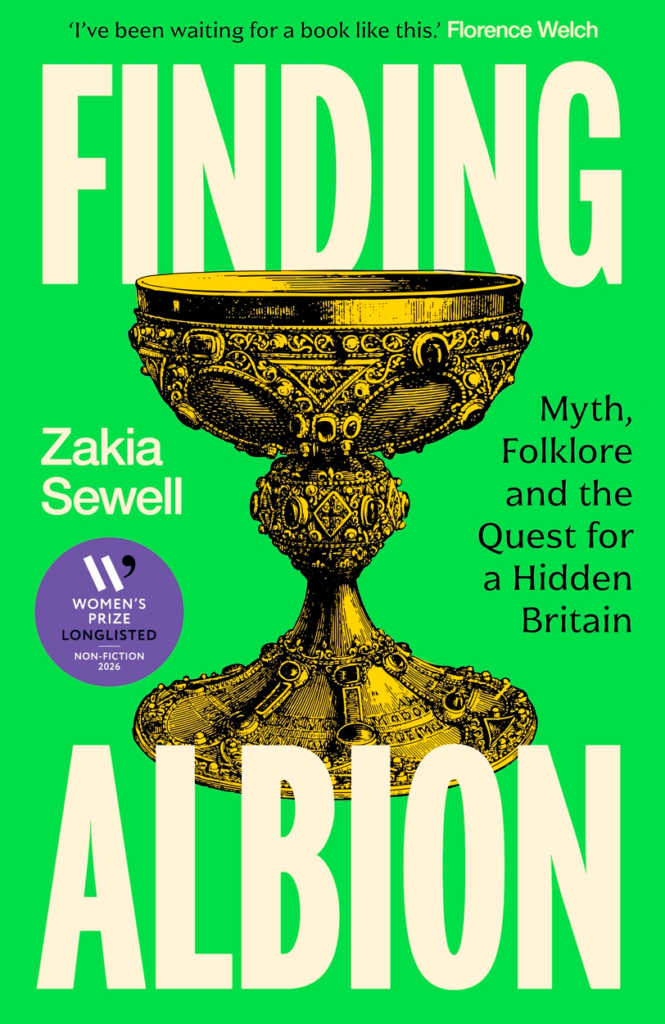
Finding Albion: Myth, Folklore and the Quest for a Hidden Britain by Zakia Sewell (Hodder & Stoughton)
‘Personally, I feel a lot more at home with the tales of giants, incubi and ancient refugees than I do with these more recent myths about empire and power. Both are part-fantasy, and yet the newer myths about Britain still have so many people held in their thrall.’ Read an extract here.
‘Tradition, in Zakia’s hands, becomes not a static inheritance to be defended, but a resource for imagining new forms of collective identity. By foregrounding the multiplicity of influences that have always shaped British culture, she opens up the possibility of a more inclusive and dynamic understanding of belonging – one that recognises that the story of Albion has never been singular, and was never meant to be.’ Read Dalia Al-Dujaili’s review here.
‘I do wonder how many far-right nationalists would actually want to don bells and ribbons and go dancing on May Day.’ In April’s Q&A, Zakia and Tallulah discuss enacting rebellion and dissent, finding stories in the margins, and the importance of confronting complicated relationships with England. Read here.
Buy a copy of the book here.
May
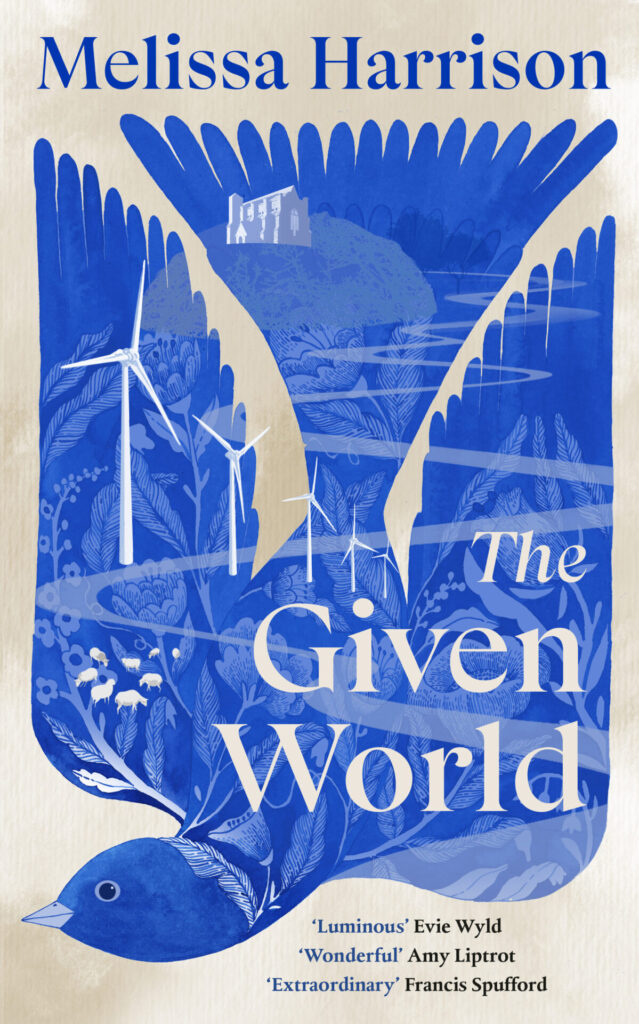
The Given World by Melissa Harrison (Hutchinson Heinemann)
‘One morning a dead badger appears on Park Farm Road, near the ‘Lower Eodham’ sign, its body quickly dark and sun-swollen; Oliver Foxall pokes it with a branch after getting off the school bus that afternoon, but its hide is tough and it won’t explode. Still, he claims the next day to have made gas whistle out of its bumhole and his younger brother Ben swears it’s true.’ Read an extract here.
‘In its rich language and dreamlike qualities, conveying inner lives of a community, that The Given World is comparable to Under Milk Wood, but for the twenty-first century.’ Read Amy Liptrot’s review here.
‘Understanding seasonality and temporality are ways in which we can come to terms with mortality […] The world is beautiful, fragile, and mortal, and pretending that isn’t the case allows us to commit all sorts of depredations.’ In May’s Q&A. Melissa speaks Tallulah about imagined rivers, our skewed relationship with the seasons, and the notable omission of farming from the nature writing canon. Read here.
Buy a copy of the book here.
June
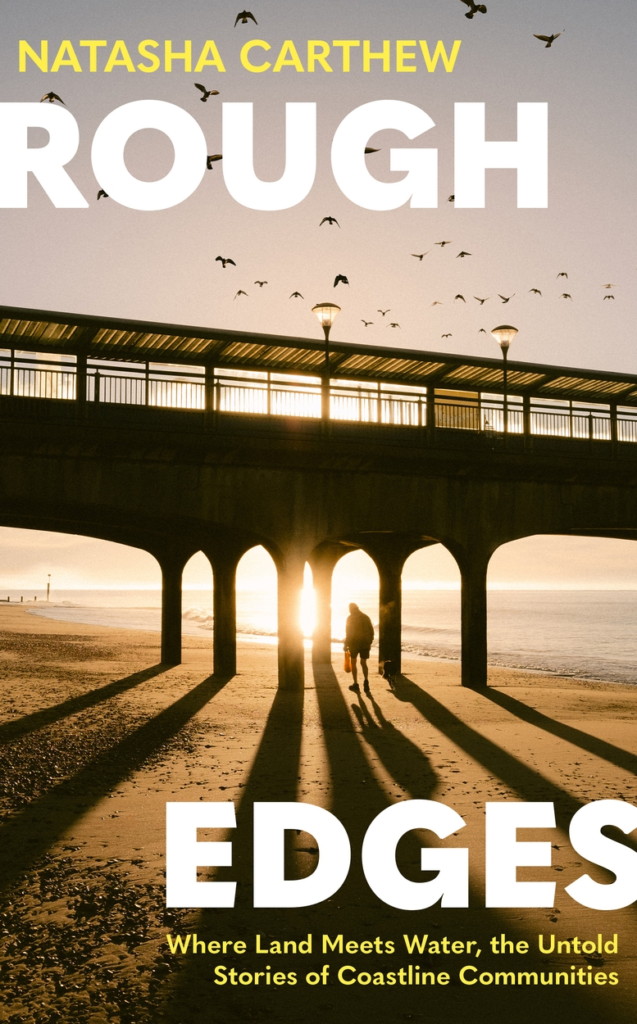
Rough Edges: Where Land Meets Water, the Untold Stories of Coastline Communities by Natasha Carthew (Sceptre)
‘I was poor in every practical respect of the word, but rich in the colours of sea glass, shells and hedgerow flowers, prosperous in the saline drift of early morning fog and the taste of blackberries in September, potatoes in October and winkles picked off the rocks in summer, all by my own hand.’ Read an extract here.
‘Salty air is no replacement for government investment, the wind in your hair is no remedy for the anxiety of how the rent will be paid, from where the next job might come. Rough Edges is an antidote, formed from the imagination of someone whose writing accommodates many truths.’ Read Tallulah’s review here.
‘In many ways growing up the ocean was like a third parent, standing in for an absent father and a distracted mother, so I often looked to it for answers when I was confused, or lonely, or angry. When I wanted to dream of escape from my small, suffocating village, I stared at the horizon and dreamt of sailing toward uncharted lands and undiscovered coasts.’ In June’s Q&A, Natasha and Tallulah discuss the precarity of coastal living, the importance of working-class voices in the nature writing canon, and the ocean as a parental figure. Read here.
Buy a copy of the book here.
July
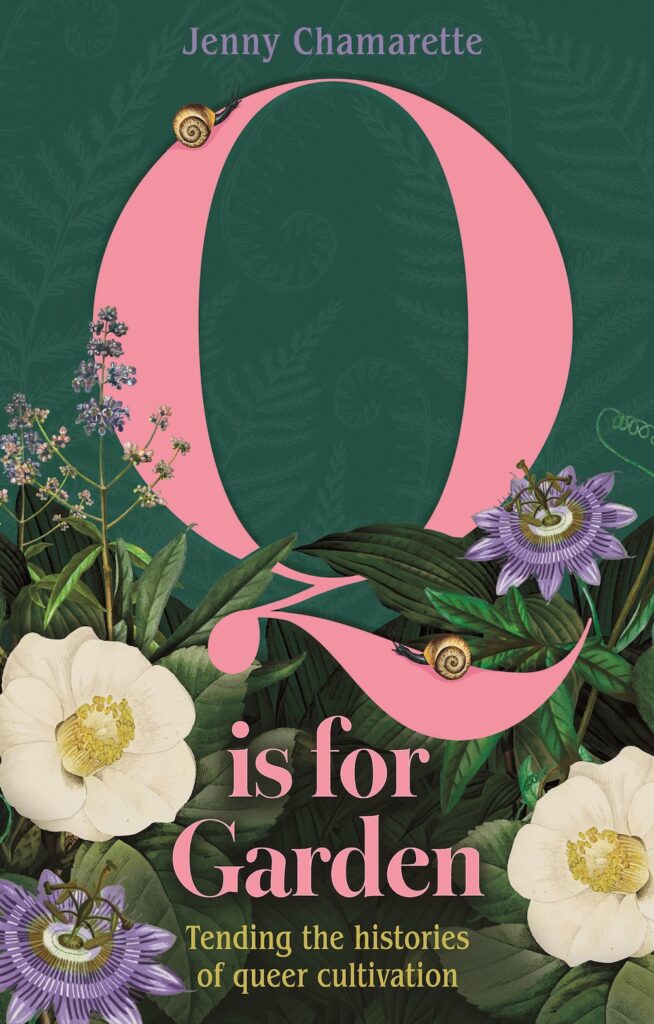
Our current Book of the Month is Q is for Garden: Tending the histories of queer cultivation by Jenny Chamarette (Manchester University Press)
‘The deadnettles and ribwort plantain that spring up through the pavement, the huge wild rose that showers me in petals as I walk past my neighbour’s front garden; the insects that inhabit it and the birds who scuttle in to feast on invertebrates; the cats and foxes who stop to drink from the half-barrel pond we rolled into our five-foot front patch the moment we moved in. They are all part of the small world I tend and watch, and they bring me more happiness than I can possibly reciprocate.’ Read an extract here. A review and Q&A will be out before the end of the month!
Buy a copy of the book here.